

Mazda Smart Brake Support in Sudden-Stop Traffic
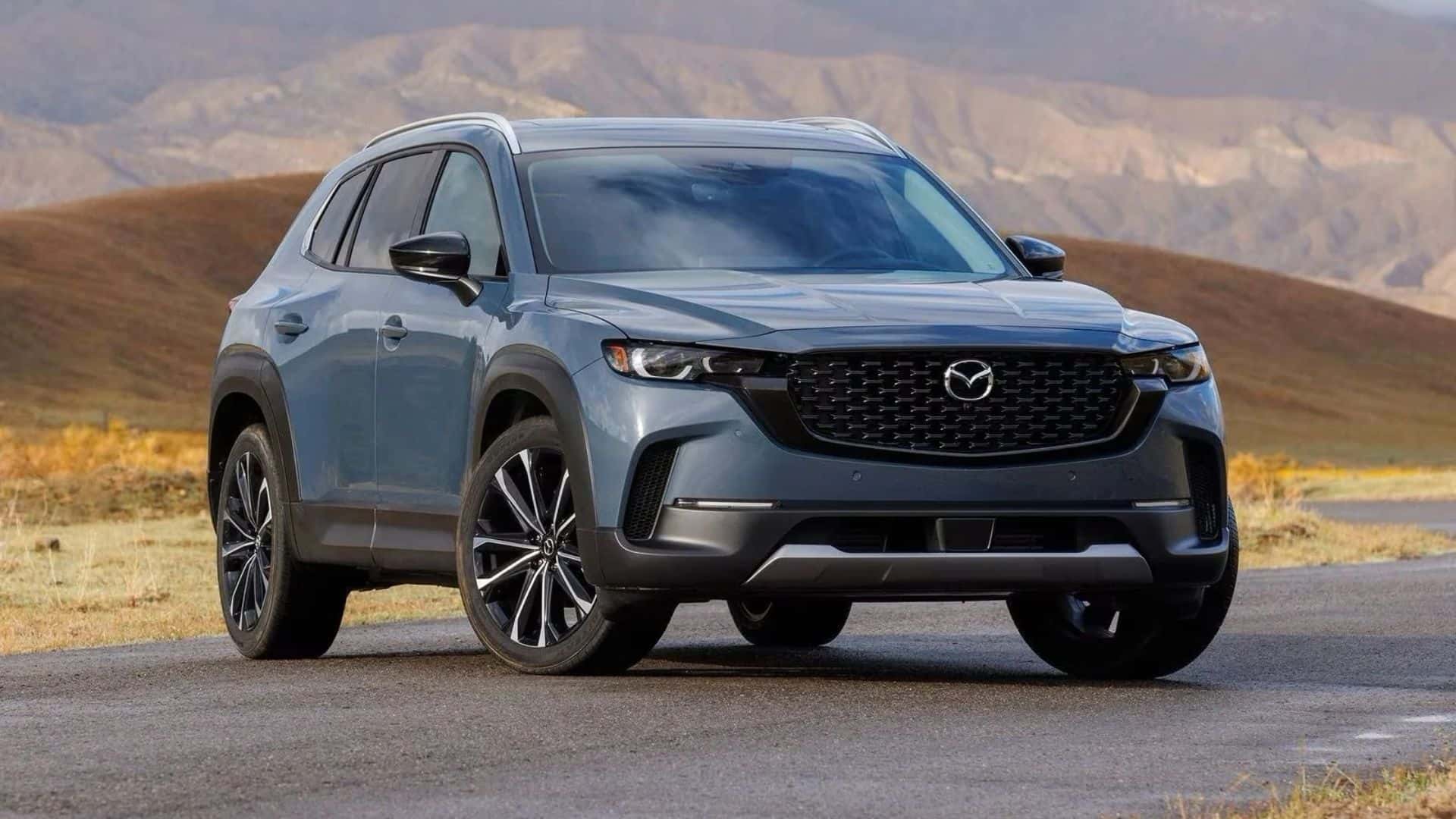
Mazda Smart Brake Support can warn drivers about a detected collision risk and apply braking assistance when conditions allow. For drivers traveling between Temecula and coastal San Diego County, understanding that assistance matters when moving traffic suddenly becomes a line of brake lights. At Hello Auto Group, we help shoppers understand what Mazda driver-assistance features do, how their limits affect everyday driving, and what to check on a specific vehicle.
Key Takeaways
- Smart Brake Support can provide collision warnings and automatic braking when operating conditions are met.
- Detection limits, vehicle speed, and driver inputs affect how the system responds.
- Smart Brake Support functions differ across Mazda models, model years, and equipment configurations.
- Confirm each vehicle’s equipment and review its owner’s manual before relying on a particular function.
How Mazda Smart Brake Support Works
Mazda Smart Brake Support, often shortened to SBS, is a collision-mitigation system that uses vehicle sensors and cameras to detect certain objects and provide braking assistance. Its forward-detection function evaluates potential collisions ahead, then provides warnings and can apply the brakes as collision risk increases.
In the Mazda CX-50, forward detection uses a forward-sensing camera and front radar sensor. The system considers more than whether another vehicle is present. Distance and approach rate help determine whether a potential collision requires intervention.
A useful distinction during vehicle comparisons is the difference between collision mitigation and routine speed control. Smart Brake Support responds to a potential collision. It is not a system for managing every slowdown, and drivers should continue braking normally rather than waiting for automatic intervention.
When Can Mazda Smart Brake Support Assist During a Sudden Traffic Stop?
Mazda Smart Brake Support can assist when it detects a potential collision with a vehicle ahead and the applicable operating conditions are satisfied. It may help avoid a collision or reduce its severity, but it cannot guarantee either outcome.
Imagine traffic slowing sharply as you approach a freeway backup during a trip from Temecula toward the coast. If the system detects the vehicle ahead and determines that collision risk is increasing, it can provide a warning and braking intervention. A vehicle cutting into a short gap presents a different situation because the system must first detect and evaluate that vehicle.
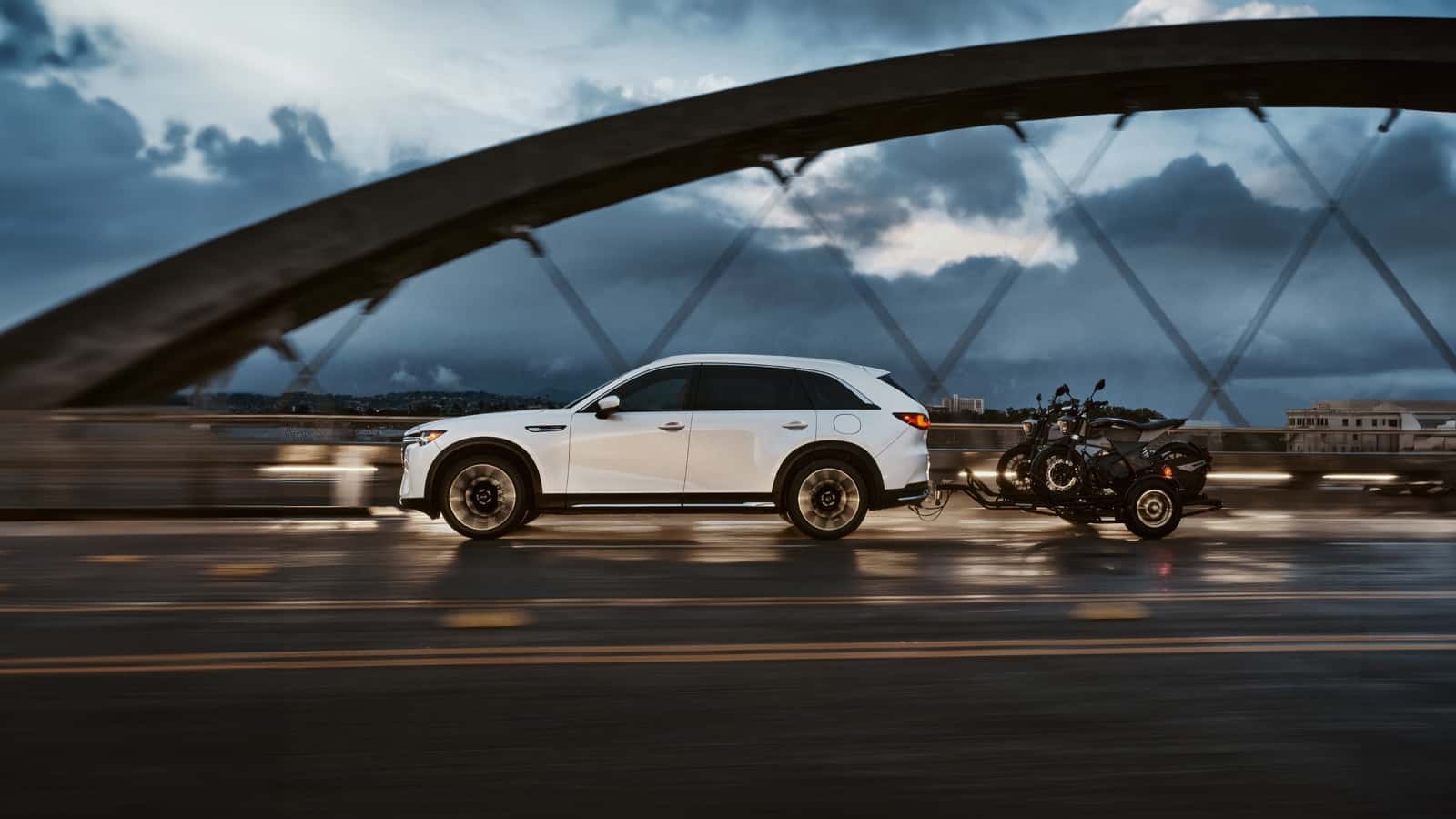
The Mazda CX-90 illustrates why “stop-and-go” needs a closer explanation. Its forward-detection operating conditions include approximately 3 mph or faster for vehicles ahead and motorcycles. Pedestrian and bicycle detection has a different stated range, approximately 6.3 to 49 mph. Those thresholds describe operating conditions, not guaranteed stopping capability.
When discussing commuting needs, we recommend describing the actual drive, not simply asking whether a vehicle has automatic braking. Creeping through a queue near Murrieta and approaching a fast-developing freeway slowdown raise different questions about speed, detection, and available stopping distance
Does Mazda Smart Brake Support Warn Before Applying the Brakes?
Mazda Smart Brake Support’s forward-detection function provides a visual warning and warning sound when it identifies a potential collision. If the collision risk increases, the system can apply brake control.
That describes the system’s operation, not a guaranteed warning interval. Drivers should not expect a fixed number of seconds between an alert and automatic braking. Respond to the road situation immediately rather than waiting for the next stage.
For shoppers considering a Mazda3, a helpful part of the vehicle walkthrough is learning where warnings appear and how to recognize relevant status indicators. Familiarity with the displays is more useful than trying to provoke an alert during a test drive.
Mazda also explains that the brake pedal may move rearward or feel stiff during SBS brake control. Continue pressing the brake pedal as needed. Automatic intervention does not transfer responsibility for stopping the vehicle away from the driver.
Mazda Smart Brake Support Operating Limits in Stop-and-Go Traffic
Mazda Smart Brake Support operating limits include object detection, applicable speed ranges, system status, and driver inputs. The system may not operate normally when the camera or radar cannot detect the target or when only partial contact with an object is predicted.
For example, the CX-50’s instructions identify deliberate accelerator, steering, selector-lever, and turn-signal operations as circumstances that can affect forward-detection operation. They also require that Dynamic Stability Control, the vehicle’s stability-control system, is not actively operating.
Low-speed operation deserves attention, too. The CX-50’s approximately 3 mph minimum for detecting vehicles ahead means shoppers should not assume forward SBS will intervene during every inch-by-inch movement in a queue.
A practical ownership detail is what happens after intervention. On the CX-50, SBS may hold the brakes briefly after stopping, but that does not make it a substitute for maintaining control of the stopped vehicle. Leave an appropriate following distance and keep responsibility for braking throughout the drive.
Mazda Smart Brake Support Model Differences and Equipment
Mazda Smart Brake Support model differences can include recognized objects, operating conditions, and additional functions for reversing or intersections. The feature name alone does not establish that two vehicles provide identical assistance.
For a concrete model-year example, the 2023 CX-50’s forward-detection description names vehicles, pedestrians, and bicycles. The 2026 CX-50’s description also explicitly includes motorcycles. This illustrates why an older vehicle’s instructions should not stand in for the manual accompanying a newer one.
Equipment configurations matter as well. The CX-50’s instructions identify Turn-Across Traffic, Front Crossing, rearward detection, and Rear Crossing as functions fitted to some models. Forward braking assistance therefore should not be treated as proof that every intersection or reversing function is included.
When comparing a CX-30 with a CX-5, we recommend reviewing the actual equipment descriptions side by side. Similar terminology can make it easy to overlook which functions apply ahead, behind, or to crossing traffic. Confirm those details on the specific vehicle’s window sticker or build sheet, then review its corresponding manual.
As you browse Hello Auto Group’s current selection, narrow your comparison to Mazda models and trims that match your driving needs, then check their individual SBS functions.
What Should Shoppers Check on a Specific Mazda?
Shoppers should verify the exact vehicle’s equipment, operating instructions, and system status before drawing conclusions about its Mazda braking assistance. A model name or general feature summary is only the starting point.
During an in-person comparison, we recommend working through a short checklist:
- Match the vehicle’s model year and configuration to the correct owner’s manual.
- Confirm forward, reversing, and crossing-traffic functions separately.
- Review warning displays, settings, and any system-status messages.
- Ask how to address a warning or unavailable-system indication.
For a Fallbrook driver comparing available SUVs, this process keeps the discussion grounded in the vehicles themselves. A normal test drive can help you evaluate visibility, pedal feel, and display readability. It should never include deliberately approaching an obstacle to test automatic braking.
Explore Mazda Models in Temecula
An in-person comparison can help connect Mazda Smart Brake Support information with the vehicle you plan to drive. Bring your questions about equipment differences so the walkthrough addresses your routine.
Browse Hello Auto Group’s current Mazda inventory, then schedule a visit to Hello Mazda of Temecula in Temecula to compare available vehicles and review their equipment. We can help you locate the relevant controls and operating guidance before a normal test drive, keeping the focus on choosing a Mazda that fits your Southern California driving needs.
*Penned by AI, polished by humans


0 comment(s) so far on Mazda Smart Brake Support in Sudden-Stop Traffic