

Mazda Adaptive Cruise Control for Holiday Highway Travel
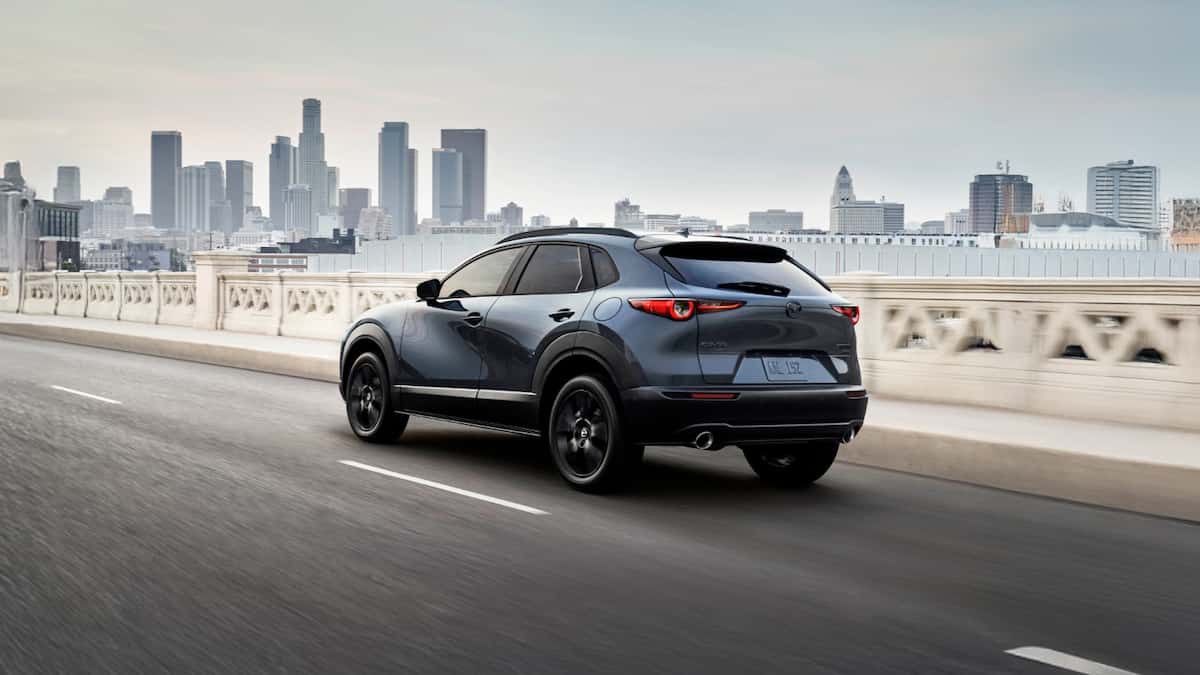
Holiday travel can make even a familiar Southern California highway feel more demanding. Between changing traffic patterns, longer stretches behind the wheel, and the pressure of arriving on time, it is easy for highway driving stress to build. At Hello Auto Group, and our SoCal Mazda dealerships Hello Mazda of San Diego and Hello Mazda of Temecula, we help drivers explore useful Mazda highway driving technology that can make the trip feel more comfortable, including Mazda Adaptive Cruise Control.
Known by Mazda as Mazda Radar Cruise Control, this available driver-assistance feature is designed to help maintain a selected speed while adjusting to the pace of detected traffic ahead. Whether you are heading from Southern California toward family gatherings, taking a weekend trip from San Diego County, or preparing for a longer holiday route, it can reduce some of the repetitive work involved with cruising on the highway. It is still essential to stay alert, keep both hands ready to steer, and remain responsible for operating the vehicle at all times.
Key Takeaways
- Mazda Adaptive Cruise Control can help maintain a selected speed and following distance from detected traffic ahead.
- This technology can reduce some of the frequent accelerating and braking that contributes to highway driving stress.
- Drivers must remain attentive and ready to brake, steer, and take over at any time.
- Current Mazda vehicles, including popular SUVs, can give Southern California drivers useful highway-focused driver-assistance features.
- A test drive is a practical way to learn how Mazda highway driving technology operates before a holiday road trip.
How Does Mazda Adaptive Cruise Control Work on the Highway?
Mazda Adaptive Cruise Control uses forward-facing sensing technology to monitor the roadway ahead and detect a vehicle traveling in front of you. After the driver selects a cruising speed and following-distance setting, the system can adjust acceleration and braking to help maintain that distance as traffic changes.
In steady-flow highway conditions, this can be especially helpful. Instead of repeatedly canceling and resetting traditional cruise control as another vehicle slows down, Mazda Radar Cruise Control can respond to the traffic pace ahead. When the lane clears, the vehicle can return toward the selected cruising speed when conditions allow.
On certain Mazda models equipped with Mazda Radar Cruise Control with Stop & Go, the system can also assist in slower traffic. It may bring the vehicle to a stop behind a detected vehicle ahead, but the driver must provide an input, such as pressing the accelerator pedal or the resume control, to continue after a complete stop. That distinction matters during holiday congestion around major freeway corridors.
Adaptive cruise control for highway driving is intended to support the driver, not replace the driver. It does not steer the vehicle for you, guarantee a safe following distance in every condition, or eliminate the need to watch traffic, road signs, lane changes, and hazards.
Can It Make Holiday Road Trips Less Stressful?
Yes, Mazda Adaptive Cruise Control can make holiday road trips less stressful by helping reduce the small, repeated speed adjustments that can make a long drive tiring. On a clear stretch of highway, it can support a steadier pace. In moderate traffic, it can help manage the gap to a detected vehicle ahead rather than requiring constant accelerator and brake inputs.
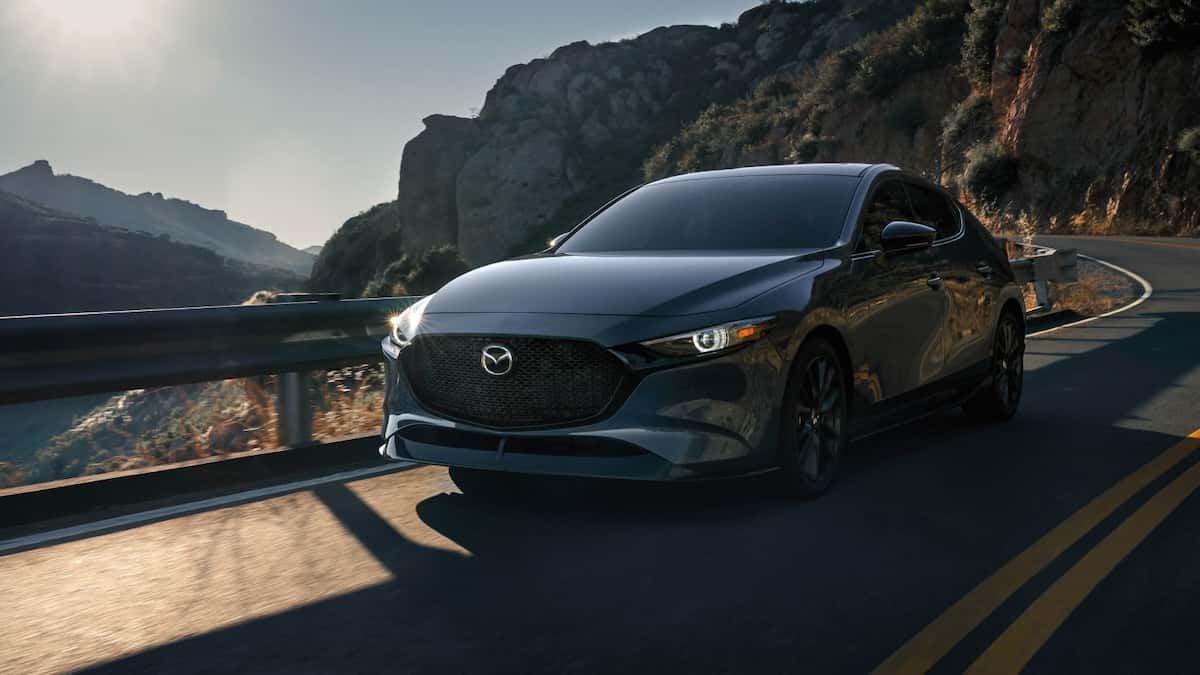
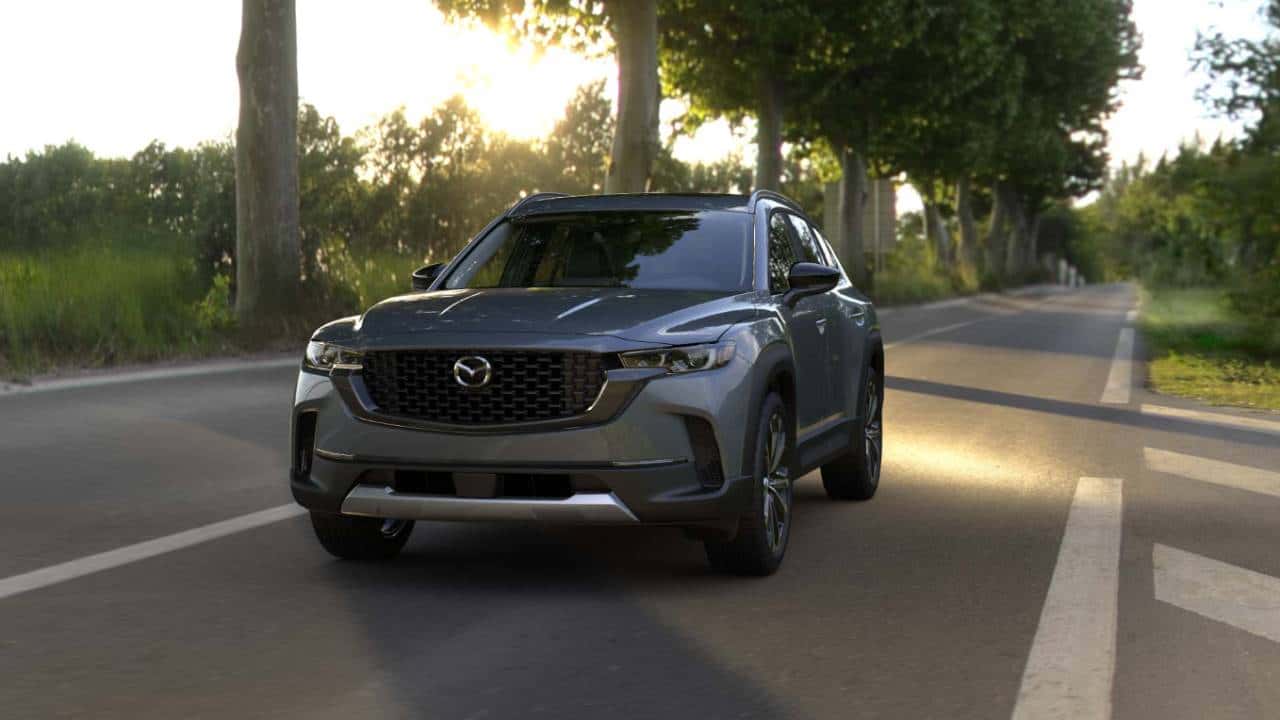
That assistance can be valuable when you are traveling in a Mazda CX-5, Mazda CX-50, Mazda CX-70, Mazda CX-90, or Mazda3 and want a more relaxed approach to highway miles. A family in a three-row CX-90 may appreciate the added confidence of a feature that helps pace the vehicle with traffic, while a commuter or couple in a CX-30 may value the reduced effort during a longer holiday drive.
The benefit is not that the system removes responsibility. The benefit is that it helps the driver focus more consistently on the complete driving environment. You can scan mirrors, watch for merging traffic, anticipate lane changes, and remain aware of road conditions while the vehicle helps with speed and spacing under appropriate conditions.
For drivers leaving San Diego County, holiday freeway travel can involve changing speeds, crowded interchanges, and periods of stop-and-go traffic. Cruise control for long drives can be more useful when drivers understand exactly where it works best and where human attention must take over immediately.
Does It Help Manage Following Distance?
Mazda Adaptive Cruise Control is designed to help manage following distance in highway traffic by responding to a detected vehicle ahead. The driver chooses a preferred following-distance setting, and the system works to maintain that selected interval as speeds change.
This is different from conventional cruise control, which holds a selected speed but does not react to slower traffic in front of the vehicle. When you approach a slower-moving vehicle using traditional cruise control, you need to brake or disengage the feature yourself. With Mazda Radar Cruise Control, the vehicle can reduce speed to help preserve space behind a detected vehicle ahead.
Still, following distance is not a set-it-and-forget-it decision. Traffic can change quickly when another driver merges into your lane, brakes suddenly, or travels at a significantly different speed. Weather, visibility, road curvature, and the type of vehicle ahead can also affect system performance. Drivers should always leave sufficient room, stay prepared to intervene, and avoid assuming the feature can respond to every situation.
If you are comparing cars for sale in Southern California, we recommend experiencing the feature in real conditions during a test drive. You can browse our current selection at Hello Auto Group, compare available Mazda SUVs and cars, and see which seating, cargo, and driver-assistance features fit the way you travel.
When Should Drivers Take Over?
Drivers should take over whenever traffic, road conditions, or visibility require immediate attention. Mazda Adaptive Cruise Control has detection and performance limitations, and it may not recognize every object, vehicle, or traffic situation. It is not designed to prevent a collision, and it may not decelerate enough if a vehicle ahead brakes suddenly or cuts in closely.
Holiday travelers should be especially prepared to take control in these situations:
- Approaching an interchange, exit, rest area, or parking area.
- Driving through sharp curves, steep grades, or long downhill sections.
- Traveling on wet, icy, snow-covered, or otherwise slippery roads.
- Encountering heavy stop-and-go traffic with repeated acceleration and deceleration.
- Following motorcycles, bicycles, unusually slow-moving vehicles, or vehicles that may be difficult for the system to detect.
- Driving in poor visibility caused by rain, fog, glare, darkness, or a dirty sensor area.
Mazda Adaptive Cruise Control can be a valuable tool for easing highway driving stress, particularly when holiday traffic turns a simple route into a longer, more demanding drive. It helps support smoother pacing and following-distance management, while the driver remains alert, engaged, and ready to take control whenever conditions call for it. Visit a Hello Auto Group Mazda dealership in Temecula or San Diego to browse our current Mazda inventory, explore available vehicles in stock, and schedule a test drive in a Mazda equipped with the highway-driving technology that fits your holiday travel plans.
*Penned by AI, polished by humans


0 comment(s) so far on Mazda Adaptive Cruise Control for Holiday Highway Travel